

Closed HORIZON-JU-CHIPS-2025-CSA-1 HORIZON

A Pan-European infrastructure for Chips Design Innovation

Call text (as on F&T portal)

View on F&T portal
Expected Outcome:

Proposals are expected to address the following expected outcomes:

Here are the outcomes with the title capitalisation removed in the bold parts:

  • Establish a platform for the European design ecosystem: Created a platform that supports the growth of a European design ecosystem by fostering design reuse, enabling the exploitation of advanced technologies in various application domains, and providing a foundation for deep-tech startups.
  • Encourage dissemination of PDKs through the platform: Actively supported foundries in sharing open-source and proprietary technologies, particularly their PDKs, via the platform.
  • Streamline access to EDA tools: Simplified and lowered barriers to access commercial and open-source industry-standard EDA tools across various technologies, with a focus on affordability.
  • Enhance workforce skills through hands-on experience: Reduced barriers for undergraduate and postgraduate students to gain hands-on IC design experience, complementing their theoretical coursework.
  • Provide diverse chip design flows: Offered a variety of chip design flows, supporting multi-vendor configurations where feasible, and assisted users in customising their design workflows.
  • Facilitate affordable prototyping access: Enabled academia, research centres, and spinouts to prototype affordably using industrial-grade and emerging technologies, including advanced nodes, mature nodes, open-source solutions, and pilot-line technologies, with pathways to volume production.
  • Offer extensive training resources: Delivered comprehensive training resources to up-skill and re-skill students and professionals across a wide range of technologies.
  • Train academics and instructors through โ€˜train-the-trainerโ€™ programmes: Provided targeted training for educators in semiconductor and photonics technologies to improve teaching quality and dissemination.
  • Provide a platform for open-source IP exchange: Established a platform for sharing open-source IP, fostering collaboration and reuse.
  • Support students in gaining hands-on chip design experience: Facilitated pre-tertiary and vocational studentsโ€™ access to open-source tool flows, promoting practical engagement with chip design.
  • Ensure access to customer support and leading-edge tools: Simplified access to customer support, IP, and cutting-edge design tools for a broad user base.
  • Lower barriers for advanced packaging and integration: Supported users in adopting advanced packaging and heterogeneous integration techniques by reducing entry barriers.
  • Enable efficient fabrication and system integration: Facilitated multi-project wafer (MPW) runs and small-volume fabrication of ASICs, photonics, MEMS, sensors, and their integration at the system level, while promoting the adoption of emerging or underutilised technologies such as quantum technologies, photonics, and wide-bandgap materials by academia and SMEs.
  • Promote technology offerings from research centres: Supported and highlighted the technology services of research centres with lower TRL (technology readiness level) capabilities.
  • Furthermore, particular emphasis should be placed on ensuring the seamless integration of this initiative within the framework of the Chips Act. To this end, proposals must address the following outcomes:
  • Collaborate extensively with initiatives under Pillar 1 of the Chips Act such as the Design Platform, competence centres and pilot lines. Particularly by:
  • collaborating extensively with the Design Platform initiative, including through joint activities;
  • facilitating academic access to the Chips Act pilot lines;
  • support competence centres across all EU Member States.
  • Implement a comprehensive plan to integrate EUROPRACTICE services into the Chip Actโ€™s Design Platform by the conclusion of this project.

News flashes

2026-10-15
The submission session is now available for: HORIZON-JU-CHIPS-2025-CSA-1
call topic details
Call status: Closed
Opening date: 2025-03-04 (1 year ago)
Closing date: 2025-04-30 (1 year ago)
Procedure: single-stage

Budget: 12,000,000
Expected grants: 1
Contribution: 1,000,000 - 12,000,000
News flashes

This call topic has been appended 1 time by the EC with news.

  • 2026-10-15
    the submission session is now available...
Call

HORIZON-JU-Chips-2025-CSA-1

Call topics are often grouped together in a call. Sometimes this is for a thematic reason, but often it is also for practical reasons.

There are 0 other topics in this call:

Source information

Showing the latest information. Found 6 versions of this call topic in the F&T portal.

Information from

  • 2025-10-28_15-50-14
  • 2025-07-02_03-32-07
  • 2025-06-16_03-31-19
  • 2025-05-01_03-30-19
  • 2025-04-30_03-30-38
  • 2025-03-04_03-30-11

Check the differences between the versions.

Annotations

You must be logged in to add annotations
No annotations yet

Events

Hand-picked events relevant to this call topic.

1 upcoming

Upcoming

Dec 2 2026

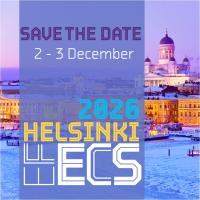
EFECS 2026

in 48 days
2 Dec - 4 Dec 2026 Helsinki, Finland

Hosted at the ๐— ๐—ฒ๐˜€๐˜€๐˜‚๐—ธ๐—ฒ๐˜€๐—ธ๐˜‚๐˜€ ๐—›๐—ฒ๐—น๐˜€๐—ถ๐—ป๐—ธ๐—ถ ๐—˜๐˜…๐—ฝ๐—ผ ๐—ฎ๐—ป๐—ฑ ๐—–๐—ผ๐—ป๐˜ƒ๐—ฒ๐—ป๐˜๐—ถ๐—ผ๐—ป ๐—–๐—ฒ๐—ป๐˜๐—ฟ๐—ฒ, EFECS 2026 will gather Europeโ€™s semiconductor and ECS community under the theme: โ€œ๐—ฆ๐—ฒ๐—บ๐—ถ๐—ฐ๐—ผ๐—ป๐—ฑ๐˜‚๐—ฐ๐˜๐—ผ๐—ฟ๐˜€ ๐—ฎ๐˜ ๐˜๐—ต๐—ฒ ๐—ฐ๐—ฟ๐—ผ๐˜€๐˜€๐—ฟ๐—ผ๐—ฎ๐—ฑ๐˜€: ๐—ฝ๐—ผ๐—น๐—ถ๐˜๐—ถ๐—ฐ๐—ฎ๐—น ๐—ฝ๐—ผ๐˜„๐—ฒ๐—ฟ, ๐—ถ๐—ป๐—ฑ๐˜‚๐˜€๐˜๐—ฟ๐—ถ๐—ฎ๐—น ๐˜€๐˜๐—ฟ๐—ฎ๐˜๐—ฒ๐—ด๐—ถ๐—ฒ๐˜€ ๐—ฎ๐—ป๐—ฑ ๐—ฒ๐—ฐ๐—ผ๐—ป๐—ผ๐—บ๐—ถ๐—ฐ ๐—ด๐—ฟ๐—ผ๐˜„๐˜๐—ตโ€.

๐Ÿ’ก What to expect:
โ€ข High-level discussions on Europeโ€™s semiconductor future
โ€ข Insights into industrial strategy, resilience, innovation, and competitiveness
โ€ข Networking with key stakeholders from across the ECS ecosystem
โ€ข A full week of activities, side events, workshops, and community gatherings before and after the main forum
Events are added by the ideal-ist NCP community and are hand-picked. Would you like to suggest an event? Contact idealist@ffg.at.

Timeline

Track where this call stands in its lifecycle, from work programme to grant signature, and see what's likely to happen next.

Grant agreement signed · 30 Dec 2025 (9 months ago)

All expected milestones for this call have passed.

Today

Work programme published

04 Jan 2025 · est.

Call published

04 Mar 2025

Call opens

04 Mar 2025

Call closes

30 Apr 2025

Outcome expected

30 Sep 2025 · est.

Grant agreement signed

30 Dec 2025 · est.

Preparation Open for submission Evaluation Grant preparation Not yet reached
  1. Work programme published Estimated

    04 Jan 2025 · 1 year ago

    Topics are listed in the Work Programme before the call opens. Spotting this early gives you a head start on partner search and proposal planning.

  2. Call published

    04 Mar 2025 · 1 year ago

    This topic was first published in TopicTree.

  3. Call opens

    04 Mar 2025 · 1 year ago

    Submissions can be made from this date.

  4. Call closes

    30 Apr 2025 · 1 year ago

    Deadline to submit a proposal.

  5. Outcome expected Estimated

    30 Sep 2025 · 1 year ago

    The maximum time to inform applicants of the evaluation outcome is five months after the call closes.

  6. Grant agreement signed Estimated

    30 Dec 2025 · 9 months ago

    The maximum time to sign the grant agreement is three months after applicants are informed of the outcome.

Funded Projects

Loading...

Project information comes from CORDIS (for Horizon 2020 and Horizon Europe) and will be sourced from F&T Portal (for Digital Europe projects)

Call document info

This section will come soon and contain the scraped information from the call document, such as the expected impact, scope, and other relevant sections. In the meantime, you can find this information in the call text section or directly on the F&T portal. View on F&T portal